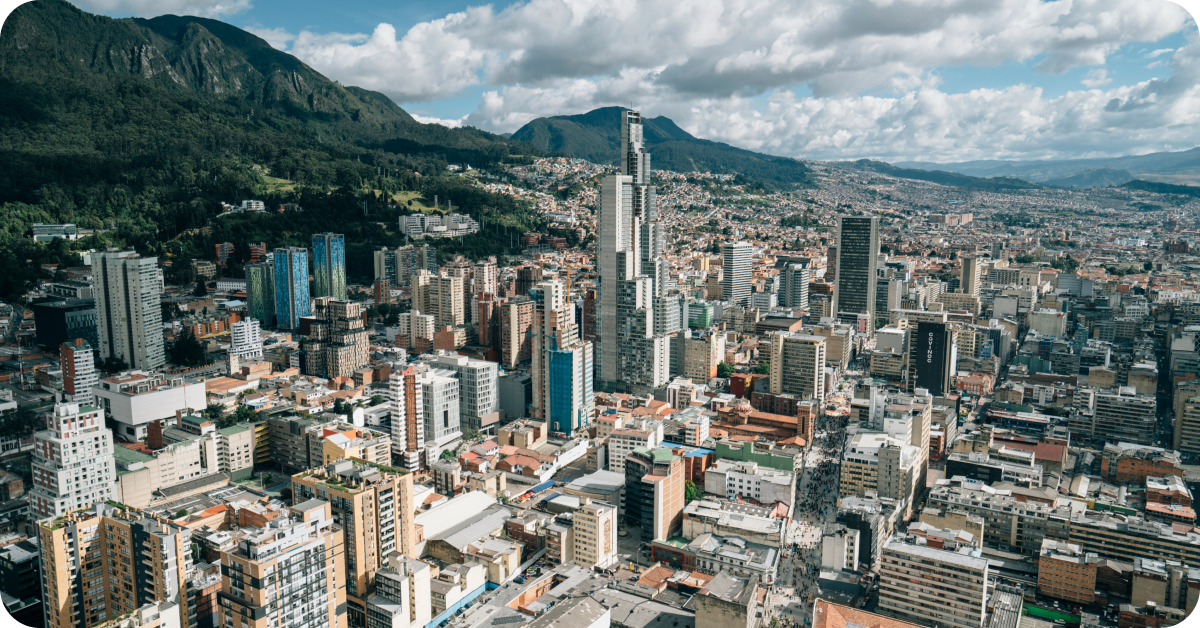
Bogotá, the capital city of Colombia, is a vibrant metropolis nestled in the Andes Mountains. With its rich cultural heritage, breathtaking landscapes, and diverse cuisine, Bogotá offers an unforgettable travel experience. However, like any other major city, Bogotá has its own set of do’s and don’ts to ensure a safe and enjoyable trip.
Do’s
A. Do learn basic Spanish phrases When traveling to Bogotá, it’s beneficial to learn some basic Spanish phrases. While many people in Bogotá speak English, especially in tourist areas, knowing a few Spanish phrases can go a long way in making your trip smoother and more enjoyable.
B. Do explore Bogotá’s rich culture and history Bogotá boasts a wealth of cultural and historical attractions, including museums, art galleries, and historic landmarks. Take the time to explore attractions such as the Gold Museum, the Botero Museum, and the historic district of La Candelaria to immerse yourself in the city’s fascinating history and culture.
C. Do try Colombian cuisine Colombian cuisine is diverse, flavorful, and delicious. Be sure to sample local delicacies such as arepas, empanadas, bandeja paisa, and ajiaco soup. Don’t miss the opportunity to dine at traditional Colombian restaurants and street food stalls to experience the authentic flavors of Bogotá.
D. Do use caution when exploring the city While Bogotá is generally safe for tourists, it’s essential to exercise caution, especially in crowded areas and at night. Keep your belongings secure, avoid displaying valuables, and be vigilant of your surroundings to reduce the risk of petty theft and pickpocketing.
Don’ts
A. Don’t carry large amounts of cash Avoid carrying large amounts of cash when exploring Bogotá. Instead, use credit cards or withdraw small amounts of cash from ATMs as needed. Carrying minimal cash reduces the risk of theft and ensures your financial security while traveling.
B. Don’t hail taxis off the street When in Bogotá, it’s safer to use registered taxi services or ridesharing apps such as Uber or Cabify rather than hailing taxis off the street. This reduces the risk of falling victim to taxi scams and ensures a safer and more reliable mode of transportation.
C. Don’t forget to stay hydrated Bogotá’s high altitude can take some getting used to, and it’s essential to stay hydrated, especially if you’re not accustomed to higher altitudes. Drink plenty of water throughout the day, especially when engaging in outdoor activities or sightseeing.
D. Don’t ignore safety precautions While Bogotá is generally safe for tourists, it’s essential to take common-sense safety precautions to ensure a hassle-free trip. Avoid walking alone at night, stay in well-lit areas, and be cautious of your surroundings to reduce the risk of becoming a target for opportunistic crime.
III. Transportation
A. Public transportation Bogotá has an extensive public transportation system, including buses and TransMilenio, a rapid transit bus system. While public transportation is an affordable way to get around the city, be prepared for crowded buses and potential delays during peak hours.
B. Taxis and ridesharing services Registered taxis and ridesharing services such as Uber and Cabify are convenient options for getting around Bogotá. Make sure to use reputable taxi companies or ridesharing apps to ensure a safe and reliable journey.
C. Walking Bogotá is a pedestrian-friendly city, and walking is a great way to explore its neighborhoods and attractions. However, be cautious when walking in busy areas, and always stay aware of your surroundings to ensure your safety.
IV. Accommodation
A. Choosing the right neighborhood When choosing accommodation in Bogotá, consider factors such as safety, convenience, and proximity to attractions. Popular neighborhoods for tourists include La Candelaria, Chapinero, and Zona Rosa, each offering a unique experience and a range of accommodation options.
B. Types of accommodation Bogotá offers a wide range of accommodation options to suit every budget and preference, from luxury hotels and boutique guesthouses to budget-friendly hostels and Airbnb rentals. Choose accommodation that meets your needs and provides easy access to transportation and attractions.
C. Safety considerations When booking accommodation in Bogotá, prioritize safety and security. Choose reputable hotels and guesthouses in safe neighborhoods, and ensure that your accommodation has adequate security measures in place, such as 24-hour reception and secure locks on doors and windows.
V. Food and Dining
A. Must-try Colombian dishes Colombian cuisine is diverse and delicious, with a wide range of dishes to try. Some must-try Colombian dishes include:
Arepas: Cornmeal patties filled with cheese, meat, or eggs. Empanadas: Fried pastry filled with meat, cheese, or potatoes. Bandeja paisa: A hearty dish featuring rice, beans, meat, avocado, plantain, and arepa. Ajiaco: A hearty chicken and potato soup served with corn on the cob and avocado. B. Dining etiquette When dining in Bogotá, it’s essential to observe local customs and etiquette. Some dining etiquette tips to keep in mind include:
Tipping: It is customary to leave a tip of 10% in restaurants. Table manners: Keep your hands visible on the table, and wait for everyone to be served before eating. Use of utensils: Use utensils rather than eating with your hands, except when eating certain street foods. C. Food safety tips To avoid food-related illnesses while traveling in Bogotá, follow these food safety tips:
Drink bottled water: Stick to bottled water or filtered water to avoid the risk of waterborne illnesses. Eat hot, freshly prepared food: Choose restaurants and street food stalls that prepare food fresh to order and serve it piping hot. Wash fruits and vegetables: If eating raw fruits and vegetables, make sure to wash them thoroughly with bottled or filtered water.
VI. Sightseeing
A. Top attractions in Bogotá Bogotá is home to a wealth of attractions and landmarks, including:
Gold Museum: Explore one of the most important collections of pre-Hispanic gold in the world. Botero Museum: Admire works of art by Colombian artist Fernando Botero, including his famous oversized sculptures. Mount Monserrate: Take a cable car or hike to the top of Mount Monserrate for breathtaking views of the city. B. Cultural experiences Experience Bogotá’s vibrant culture and heritage by:
Exploring La Candelaria: Wander the cobblestone streets of Bogotá’s historic district and admire its colonial architecture. Attending a cultural event: Check out live music performances, theater productions, and dance shows to experience Colombia’s rich cultural heritage. C. Safety tips for sightseeing When sightseeing in Bogotá, keep these safety tips in mind:
Stay in tourist areas: Stick to well-lit and crowded areas, especially at night. Avoid displaying valuables: Keep your belongings secure and avoid wearing expensive jewelry or carrying large amounts of cash. Use reputable tour operators: If booking tours or excursions, choose reputable companies with positive reviews and a good safety record.
VII. Shopping
A. Popular shopping areas Bogotá offers a wide range of shopping opportunities, from bustling markets and shopping malls to artisanal boutiques and craft markets. Some popular shopping areas include:
Andino Shopping Mall: A modern shopping mall with a wide range of shops and restaurants. Usaquén Market: A bustling market offering a variety of artisanal crafts, clothing, and souvenirs. San Victorino Market: Bogotá’s largest market, offering everything from clothing and accessories to fresh produce and household goods. B. Bargaining tips When shopping in Bogotá’s markets and street stalls, bargaining is common practice. Here are some tips for successful bargaining:
Start with a lower price: Begin by offering a price significantly lower than the asking price and negotiate from there. Be polite and friendly: Bargaining is a social exchange, so be polite, smile, and maintain a friendly demeanor. Know when to walk away: If the seller is unwilling to meet your price, be prepared to walk away and find a better deal elsewhere. C. Safety precautions When shopping in Bogotá, keep these safety precautions in mind:
Keep your belongings secure: Keep your wallet, purse, and other valuables close to your body and out of sight to reduce the risk of theft. Avoid crowded areas: Be cautious in crowded markets and shopping areas, and be aware of your surroundings at all times. Use reputable vendors: Stick to reputable vendors and avoid buying counterfeit or pirated goods.
VIII. Health and Safety
A. Vaccinations and health precautions Before traveling to Bogotá, make sure you are up to date on routine vaccinations and consider getting vaccinated against diseases such as:
Yellow fever: Yellow fever vaccination is recommended for travelers visiting certain parts of Colombia, including Bogotá. Hepatitis A and B: Hepatitis A and B vaccination is recommended for all travelers to Colombia. Typhoid: Typhoid vaccination is recommended for travelers visiting developing countries, including Colombia. B. Crime and safety tips While Bogotá is generally safe for tourists, it’s essential to take precautions to ensure your safety:
Be vigilant: Keep your belongings secure and be aware of your surroundings at all times. Avoid isolated areas: Stay in well-lit and crowded areas, especially at night. Use caution with taxis: Use registered taxi services or ridesharing apps rather than hailing taxis off the street. C. Altitude sickness prevention Bogotá is located at a high altitude, and some travelers may experience altitude sickness. To prevent altitude sickness, follow these tips:
Stay hydrated: Drink plenty of water to stay hydrated and avoid alcohol and caffeine, which can contribute to dehydration. Take it easy: Allow your body time to acclimate to the altitude by taking it easy for the first few days of your trip. Consider medication: If you’re prone to altitude sickness, consider taking medication such as acetazolamide to prevent symptoms.
IX. Cultural Etiquette
A. Greetings and interactions When greeting someone in Bogotá, it’s customary to:
Shake hands: Shake hands with both men and women when meeting for the first time. Use titles: Use titles such as “Señor” (Mr.) and “Señora” (Mrs.) followed by the person’s last name when addressing someone. B. Dress code Bogotá has a relatively conservative dress code, especially in business and formal settings. When visiting religious sites or formal venues, it’s best to dress modestly and avoid wearing revealing clothing.
C. Respect for local customs When visiting Bogotá, it’s essential to respect local customs and traditions:
Respect personal space: Colombians value personal space, so avoid standing too close to others when speaking or interacting. Respect religious customs: When visiting churches or religious sites, dress modestly and avoid loud or disruptive behavior.
X. Environmental Considerations
A. Waste management Bogotá has made significant strides in waste management in recent years, but environmental issues remain a concern. To minimize your environmental impact while visiting Bogotá, follow these tips:
Reduce, reuse, recycle: Reduce your use of single-use plastics, reuse items when possible, and recycle paper, plastic, and glass. Use public transportation: Use public transportation or walk whenever possible to reduce air pollution and carbon emissions. Support eco-friendly initiatives: Choose eco-friendly accommodation, restaurants, and tour operators that prioritize sustainability and environmental conservation. B. Conservation efforts Bogotá is home to several conservation initiatives aimed at preserving the city’s natural resources and biodiversity:
Parks and green spaces: Support Bogotá’s parks and green spaces by visiting and enjoying outdoor activities such as hiking, biking, and birdwatching. Wildlife conservation: Learn about Bogotá’s native flora and fauna and support conservation efforts to protect endangered species and their habitats. Community involvement: Get involved in community-based conservation projects and volunteer opportunities to support environmental sustainability in Bogotá. C. Ecotourism options Bogotá offers a range of ecotourism options for travelers looking to explore the city’s natural beauty and biodiversity:
Nature reserves: Visit Bogotá’s nature reserves, such as Chingaza National Park and Sumapaz Paramo, to experience the city’s diverse ecosystems and wildlife. Outdoor activities: Enjoy outdoor activities such as hiking, mountain biking, and birdwatching in Bogotá’s parks and green spaces. Community-based ecotourism: Support community-based ecotourism initiatives that promote sustainable tourism and support local communities and conservation efforts.
XI. Weather and Climate
A. Understanding Bogotá’s weather patterns Bogotá has a mild and temperate climate year-round, with relatively stable temperatures and moderate rainfall. However, the city’s high altitude can result in cool temperatures, especially at night.
B. Packing tips When packing for your trip to Bogotá, consider the following:
Layers: Pack layers to accommodate Bogotá’s variable weather, including lightweight clothing for warm days and sweaters or jackets for cooler evenings. Rain gear: Bring a lightweight, waterproof jacket or umbrella to protect against occasional rain showers. Comfortable shoes: Pack comfortable walking shoes for exploring Bogotá’s neighborhoods and attractions. C. Weather-related precautions While Bogotá’s climate is generally mild and temperate, it’s essential to be prepared for occasional weather-related challenges:
Sun protection: Wear sunscreen, sunglasses, and a hat to protect against the sun’s strong rays, especially at higher altitudes. Altitude sickness: Be aware of the symptoms of altitude sickness and take precautions to prevent it, such as staying hydrated and taking it easy during your first few days in Bogotá.
XII. Language and Communication
A. Useful Spanish phrases Learning some basic Spanish phrases can help you navigate Bogotá more effectively:
Hola: Hello Gracias: Thank you Por favor: Please ¿Dónde está…?: Where is…? ¿Cuánto cuesta?: How much does it cost? B. Language barriers and solutions While many people in Bogotá speak English, especially in tourist areas, you may encounter language barriers in some situations. Here are some tips for overcoming language barriers:
Use a translation app: Download a translation app such as Google Translate to help you communicate with locals. Learn basic Spanish phrases: Learning some basic Spanish phrases can help you communicate more effectively with locals and navigate everyday situations. C. Translation apps and resources There are several translation apps and resources available to help you communicate in Bogotá:
Google Translate: A free translation app that supports over 100 languages and offers features such as text translation, voice translation, and offline translation. Duolingo: A language-learning app that offers free lessons in Spanish and other languages, including interactive exercises, quizzes, and games.
XIII. Money Matters
A. Currency and exchange rates The official currency of Colombia is the Colombian peso (COP). When exchanging currency, be aware of the current exchange rates and any fees or commissions charged by banks or currency exchange services.
B. Banking and ATMs Bogotá has a well-developed banking system with plenty of ATMs and banks where you can withdraw cash and exchange currency. However, be aware that some ATMs may charge additional fees for international withdrawals.
C. Budgeting tips To make the most of your money while traveling in Bogotá, consider the following budgeting tips:
Set a daily budget: Determine how much you can afford to spend each day and stick to your budget to avoid overspending. Use credit cards wisely: Use credit cards for larger purchases and withdraw cash from ATMs as needed to avoid carrying large amounts of cash.
XIV. Conclusion
Bogotá is a vibrant and dynamic city with a rich cultural heritage, diverse cuisine, and fascinating history. By following these do’s and don’ts and planning your trip carefully, you can ensure a safe and enjoyable travel experience in Bogotá.
XV. FAQs (Frequently Asked Questions)
Q1. Is Bogotá safe for tourists?
Bogotá is generally safe for tourists, but it’s essential to take common-sense safety precautions to ensure a hassle-free trip. Avoid displaying valuables, be cautious in crowded areas, and use reputable transportation services.
Q2. What is the best time of year to visit Bogotá?
The best time to visit Bogotá is during the dry season, which runs from December to March. However, Bogotá’s climate is relatively mild year-round, so you can visit at any time of year and still enjoy your trip.
Q3. What should I wear in Bogotá?
Bogotá has a relatively mild climate, but temperatures can vary throughout the day, so it’s essential to dress in layers. Bring lightweight clothing for warm days and sweaters or jackets for cooler evenings.
Q4. Do I need to speak Spanish to visit Bogotá?
While many people in Bogotá speak English, especially in tourist areas, knowing some basic Spanish phrases can be helpful for navigating everyday situations and interacting with locals.
Q5. What are some must-try Colombian dishes in Bogotá?
Some must-try Colombian dishes in Bogotá include arepas, empanadas, bandeja paisa, and ajiaco soup. Be sure to sample these delicious dishes at local restaurants and street food stalls during your visit.