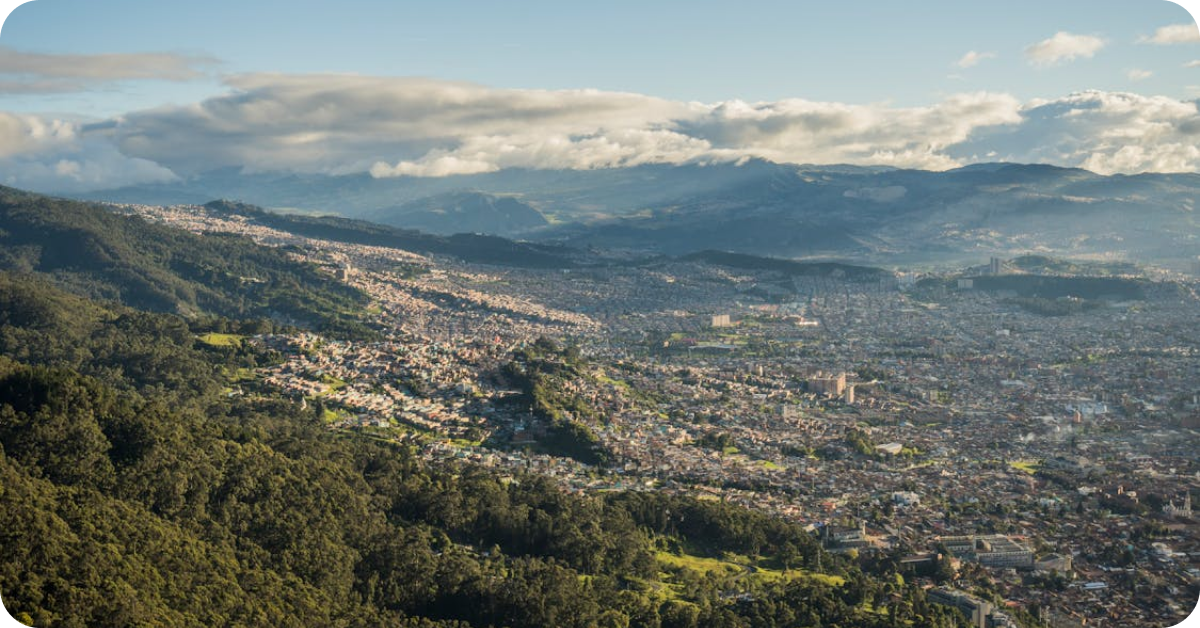
Bogotá, the vibrant capital of Colombia, is a city known for its rich history, cultural diversity, and breathtaking landscapes. While popular attractions like Monserrate and the Gold Museum draw thousands of visitors each year, the city is also home to numerous hidden gems waiting to be discovered. From historic neighborhoods to natural wonders, here are 10 must-visit hidden gems in Bogotá.
I. Introduction A. Brief introduction to Bogotá Nestled in the Andes Mountains, Bogotá is Colombia’s sprawling capital city, known for its bustling streets, colonial architecture, and vibrant cultural scene. With a rich history dating back centuries, Bogotá offers visitors a unique blend of old-world charm and modern sophistication.
B. Importance of exploring hidden gems While popular tourist attractions are undoubtedly worth a visit, exploring Bogotá’s hidden gems allows travelers to experience the city’s authentic charm and culture. From hidden plazas to off-the-beaten-path neighborhoods, these lesser-known attractions offer a glimpse into the heart and soul of Bogotá.
II. Usaquén A. Overview of Usaquén Located in the northern part of Bogotá, Usaquén is a historic neighborhood known for its charming cobblestone streets, colonial architecture, and vibrant atmosphere. Once a separate town, Usaquén was incorporated into Bogotá in the 1950s and has since become a popular destination for locals and tourists alike.
B. Things to do in Usaquén Usaquén is home to a variety of attractions, including:
Usaquén Park: Relax and enjoy the beautiful green spaces of Usaquén Park, which features lush gardens, walking paths, and a tranquil atmosphere. Usaquén Flea Market: Browse through the stalls of the Usaquén Flea Market, where you’ll find a variety of handicrafts, clothing, and souvenirs. Usaquén Church: Visit the stunning Usaquén Church, a historic landmark that dates back to the 17th century and features beautiful colonial architecture. III. La Candelaria A. Overview of La Candelaria La Candelaria is Bogotá’s historic center and one of the city’s most iconic neighborhoods. With its colorful colonial buildings, narrow cobblestone streets, and lively atmosphere, La Candelaria is a must-visit destination for anyone exploring Bogotá.
B. Must-visit attractions in La Candelaria Some of the highlights of La Candelaria include:
Bolívar Square: Explore Bolívar Square, the heart of Bogotá, where you’ll find iconic landmarks such as the Metropolitan Cathedral, the Palace of Justice, and the National Capitol. Botero Museum: Admire the works of renowned Colombian artist Fernando Botero at the Botero Museum, which houses one of the largest collections of his paintings and sculptures. Chorro de Quevedo: Visit Chorro de Quevedo, a historic square that is said to be the birthplace of Bogotá, and soak up the vibrant atmosphere of this lively neighborhood. IV. Monserrate A. Overview of Monserrate Monserrate is a mountain that towers over Bogotá, offering breathtaking views of the city below. At the top of the mountain, visitors will find a church, a shrine, and several restaurants and souvenir shops.
B. Tips for visiting Monserrate To make the most of your visit to Monserrate, consider the following tips:
Take the funicular or cable car: Choose between the funicular or cable car to reach the summit of Monserrate and enjoy stunning views of Bogotá. Visit early or late in the day: Beat the crowds by visiting Monserrate early in the morning or late in the afternoon to avoid the midday rush. Dress warmly: The weather at the top of Monserrate can be chilly, so be sure to dress warmly and bring a jacket or sweater. V. Andrés Carne de Res A. Introduction to Andrés Carne de Res Andrés Carne de Res is a legendary restaurant and nightlife destination located in the town of Chía, just outside of Bogotá. With its lively atmosphere, delicious food, and eclectic decor, Andrés Carne de Res is a must-visit destination for anyone looking to experience Colombian culture and cuisine.
B. What makes Andrés Carne de Res unique Some of the highlights of Andrés Carne de Res include:
Eclectic decor: Admire the restaurant’s colorful and eclectic decor, which features a mix of traditional Colombian artifacts, vintage furniture, and contemporary art. Live music and entertainment: Enjoy live music and entertainment at Andrés Carne de Res, where you’ll find everything from traditional Colombian music to salsa dancing. Delicious food and drinks: Indulge in a delicious meal at Andrés Carne de Res, where you’ll find a wide range of traditional Colombian dishes, as well as international cuisine and creative cocktails. VI. Salt Cathedral of Zipaquirá A. Overview of the Salt Cathedral The Salt Cathedral of Zipaquirá is an underground cathedral located in the town of Zipaquirá, just outside of Bogotá. Carved into the heart of a salt mine, the cathedral is a stunning example of Colombian engineering and craftsmanship.
B. Visiting the Salt Cathedral To make the most of your visit to the Salt Cathedral, consider the following tips:
Take a guided tour: Explore the cathedral with a knowledgeable guide who can provide insight into its history, architecture, and significance. Wear comfortable shoes: The cathedral is located underground and involves some walking, so be sure to wear comfortable shoes. Respect the rules: Follow the rules and regulations of the cathedral, including no photography inside the cathedral and no touching of the salt sculptures. VII. Chorro de Quevedo A. Introduction to Chorro de Quevedo Chorro de Quevedo is a historic square located in the heart of La Candelaria, Bogotá’s historic center. According to legend, Chorro de Quevedo is the spot where the city of Bogotá was founded in 1538 by the Spanish conquistador Gonzalo Jiménez de Quesada.
B. Cultural significance of Chorro de Quevedo Today, Chorro de Quevedo is a vibrant and lively square that is popular with locals and tourists alike. The square is home to street performers, artisans, and vendors selling traditional Colombian snacks and souvenirs. Visitors can soak up the lively atmosphere of Chorro de Quevedo while exploring the historic streets of La Candelaria.
VIII. Guatavita A. Overview of Guatavita Located just outside of Bogotá, Guatavita is a picturesque town known for its stunning natural beauty and rich history. The town is famous for the nearby Lake Guatavita, which is said to have been the inspiration for the legend of El Dorado, the mythical city of gold.
B. Exploring Guatavita’s attractions Some of the highlights of Guatavita include:
Lake Guatavita: Take a boat ride on Lake Guatavita and admire the stunning scenery of this natural wonder. Guatavita Square: Explore Guatavita Square, the heart of the town, where you’ll find charming colonial buildings, quaint cafes, and artisanal shops. Guatavita Museum: Learn about the history and culture of Guatavita at the Guatavita Museum, which features exhibits on the town’s indigenous heritage and colonial history. IX. Parque Jaime Duque A. Introduction to Parque Jaime Duque Parque Jaime Duque is a sprawling theme park located just outside of Bogotá. Named after Colombian aviator and entrepreneur Jaime Duque, the park is home to a variety of attractions, including museums, botanical gardens, and amusement rides.
B. Highlights of Parque Jaime Duque Some of the highlights of Parque Jaime Duque include:
Museum of Mankind: Explore the Museum of Mankind, which features exhibits on Colombia’s indigenous cultures, history, and traditions. Botanical Garden: Wander through the park’s botanical garden, which is home to a variety of native Colombian plants and flowers. Amusement rides: Enjoy a day of family fun at Parque Jaime Duque, where you’ll find a variety of amusement rides, including roller coasters, bumper cars, and a Ferris wheel. X. Teatro Colón A. Overview of Teatro Colón Teatro Colón is Bogotá’s premier opera house and one of the city’s most iconic landmarks. Built in the late 19th century, the theater is known for its stunning neoclassical architecture, exquisite interior decor, and world-class performances.
B. History and significance of Teatro Colón Teatro Colón has a rich history and has hosted some of the world’s most famous opera singers and musicians. Today, the theater continues to be a cultural hub for the city, hosting a variety of performances, including opera, ballet, and classical music concerts.
XI. Botanical Garden of Bogotá A. Introduction to the Botanical Garden The Botanical Garden of Bogotá is a lush oasis located in the heart of the city. Spread out over 19 acres, the garden is home to a diverse collection of plants and flowers from Colombia and around the world.
B. Exploring the Botanical Garden Visitors to the Botanical Garden can:
Explore themed gardens: Wander through the garden’s themed areas, which include a tropical rainforest, a desert garden, and a collection of native Colombian plants. Enjoy recreational activities: Relax and unwind in the garden’s tranquil setting, which features walking paths, picnic areas, and playgrounds for children. Learn about conservation: Learn about the garden’s conservation efforts and educational programs, which aim to promote environmental awareness and sustainability. XII. Plaza de Mercado de Paloquemao A. Overview of Paloquemao Market Paloquemao Market is Bogotá’s largest and most famous market, known for its bustling atmosphere, colorful stalls, and wide variety of fresh produce and local goods.
B. Experiencing Paloquemao Market Some of the highlights of Paloquemao Market include:
Fresh produce: Explore the market’s stalls and discover a wide variety of fresh fruits, vegetables, meats, and seafood, sourced from local farmers and producers. Local specialties: Sample traditional Colombian dishes and snacks, including empanadas, arepas, and fresh fruit juices, made with ingredients sourced from the market. Cultural experience: Immerse yourself in the vibrant atmosphere of Paloquemao Market, where you’ll find friendly vendors, lively music, and a bustling crowd of locals and tourists alike. XIII. Gold Museum A. Introduction to the Gold Museum The Gold Museum is one of Bogotá’s most famous attractions, housing one of the largest collections of pre-Columbian gold artifacts in the world.
B. Highlights of the Gold Museum Some of the highlights of the Gold Museum include:
Gold artifacts: Admire the museum’s collection of gold artifacts, which includes jewelry, ceremonial objects, and religious artifacts, dating back thousands of years. Interactive exhibits: Learn about the history and significance of gold in Colombian culture through interactive exhibits, multimedia displays, and guided tours. Cultural significance: Explore the cultural significance of gold in Colombian society and learn about the indigenous cultures that produced these stunning works of art. XIV. Conclusion A. Recap of the hidden gems in Bogotá Bogotá is a city rich in history, culture, and natural beauty, with countless hidden gems waiting to be discovered. Whether you’re exploring the historic streets of La Candelaria, admiring the stunning views from Monserrate, or sampling traditional Colombian dishes at Paloquemao Market, there’s something for everyone to enjoy in this vibrant and dynamic city.
B. Encouragement to explore these lesser-known attractions Next time you visit Bogotá, be sure to venture off the beaten path and discover some of the city’s hidden gems. From historic neighborhoods and cultural landmarks to natural wonders and local markets, Bogotá has something for everyone to enjoy.
XV. FAQs (Frequently Asked Questions) Q1. Is Bogotá safe for tourists? Bogotá is generally safe for tourists, but it’s essential to take common-sense safety precautions to ensure a hassle-free trip. Avoid displaying valuables, be cautious in crowded areas, and use reputable transportation services.
Q2. What is the best time of year to visit Bogotá? The best time to visit Bogotá is during the dry season, which runs from December to March. However, Bogotá’s climate is relatively mild year-round, so you can visit at any time of year and still enjoy your trip.
Q3. What should I wear in Bogotá? Bogotá has a relatively mild climate, but temperatures can vary throughout the day, so it’s essential to dress in layers. Bring lightweight clothing for warm days and sweaters or jackets for cooler evenings.
Q4. Do I need to speak Spanish to visit Bogotá? While many people in Bogotá speak English, especially in tourist areas, knowing some basic Spanish phrases can be helpful for navigating everyday situations and interacting with locals.
Q5. What are some must-try Colombian dishes in Bogotá? Some must-try Colombian dishes in Bogotá include arepas, empanadas, bandeja paisa, and ajiaco soup. Be sure to sample these delicious dishes at local restaurants and street food stalls during your visit.